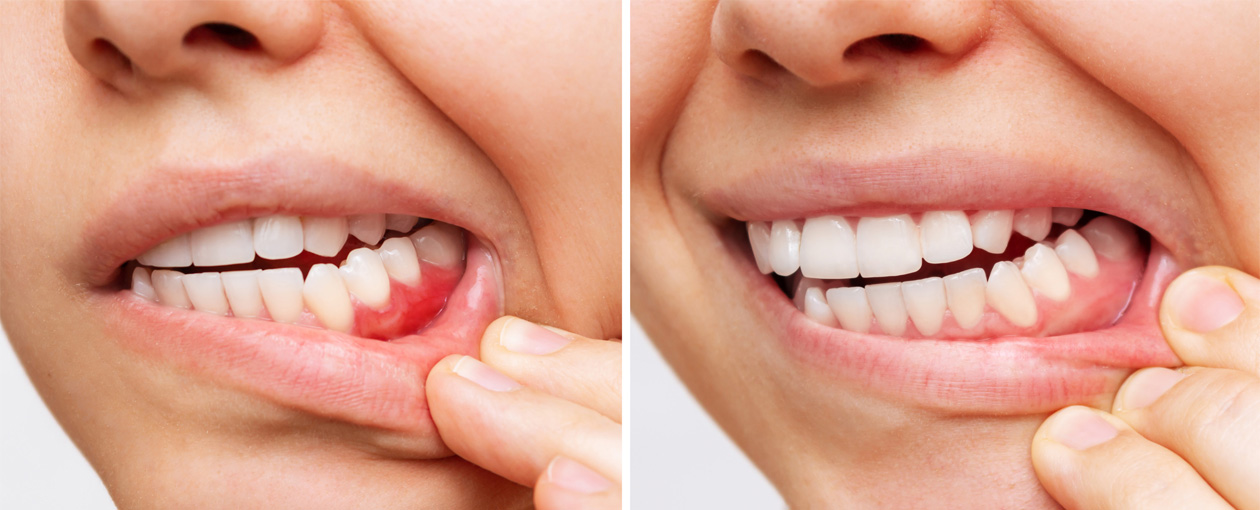
Have you noticed blood in the sink after brushing or flossing? Bleeding gums are one of the most common signs that your oral health needs attention – and too many people dismiss them as “no big deal.” At Puresmile Ealing Dental & Implants, we see patients from Ealing, Caversham, Caversham Heights, Pangbourne, Sonning, Wargrave and across West London who wish they had acted sooner.
Bleeding gums aren’t just inconvenient – they’re a warning sign that something isn’t right. Here’s everything you need to know about what causes bleeding gums, what they mean, and how they’re treated.
What Causes Bleeding Gums?
Bleeding gums usually indicate inflammation – and more often than not, the problem begins with plaque, a sticky film of bacteria that forms on your teeth every day.
1. Gingivitis (Early Gum Disease)
The most common cause of bleeding gums is gingivitis – the earliest stage of gum disease. When plaque builds up along the gum line, gums can become:
- Red and swollen
- Tender or sore
- More likely to bleed when brushing or flossing
The good news: Gingivitis is reversible with the right care.
2. Periodontitis (Advanced Gum Disease)
If gingivitis isn’t treated, it can develop into periodontitis, a more serious form of gum disease affecting the bone that supports your teeth. Signs include:
- Persistent bleeding
- Gum recession
- Loose teeth
- Bad breath
Advanced gum disease requires professional treatment to manage and prevent further damage.
3. Incorrect Brushing or Flossing
Sometimes bleeding isn’t a disease – it’s technique. You may be:
- Flossing after a long break
- Brushing too hard
- Using a hard-bristled toothbrush
Switching to a soft-bristled toothbrush and gentle technique can help reduce irritation.
4. Hormonal Fluctuations
Changes in hormone levels – such as during pregnancy or menopause – can make gums more sensitive and more prone to bleeding.
5. Medications and Medical Conditions
Some medications (like blood thinners) and health issues (such as diabetes) can make your gums more likely to bleed. If you’re unsure whether your medication or health status could be contributing, speak to a dental professional.
Why You Shouldn’t Ignore Bleeding Gums
Bleeding gums are a sign of inflammation – and inflammation in the mouth doesn’t stay local. Gum disease has been linked to wide-ranging health concerns including:
- Heart disease
- Diabetes complications
- Stroke
- Pregnancy complications
That’s why we encourage patients from Ealing, Caversham, Caversham Heights, Pangbourne, Sonning, Wargrave and across West London to take any sign of bleeding seriously.
Treating gum problems early makes them easier to manage and prevents more invasive procedures later.
What to Do If Your Gums Are Bleeding
Keep Brushing and Flossing
It might seem instinctive to avoid brushing a sore area, but skipping oral hygiene only allows plaque to build up. Continue to:
- Brush twice a day with fluoride toothpaste
- Clean between your teeth daily with floss or interdental brushes
- Use a soft-bristled toothbrush
Consider an Antibacterial Mouthwash
If recommended by your dental professional, an antibacterial mouthwash can help reduce the bacteria causing gum inflammation.
Book a Dental Hygiene Appointment
If your gums bleed regularly for more than a few days, it’s time to see a dentist. Professional cleaning and a check-up will determine what’s happening beneath the surface.
How We Treat Bleeding Gums at Puresmile Ealing
At Puresmile Ealing Dental & Implants, when you visit us for bleeding gums, our approach includes:
- A comprehensive gum health assessment
- Measuring gum pocket depths
- Checking for plaque and tartar build-up
- A professional clean by our hygienist
- A personalised plan to keep your gums healthy
We proudly welcome patients from Ealing, West London, as well as from Caversham, Caversham Heights, Pangbourne, Sonning and Wargrave who travel for experienced, gentle gum care.
How to Prevent Bleeding Gums
Great gum health starts with everyday habits:
- Brush twice daily with fluoride toothpaste
- Clean between your teeth every day
- Attend regular dental check-ups
- Visit the hygienist as recommended
- Don’t smoke (smoking increases gum disease risk)
- Eat a balanced, low-sugar diet
Consistent daily care makes all the difference in keeping gums healthy.
Top 5 FAQs About Bleeding Gums
Is it normal for gums to bleed when I brush?
No. Healthy gums shouldn’t bleed. Mild bleeding when you first begin flossing can happen, but regular bleeding is a sign of inflammation and should be checked.
Can bleeding gums go away on their own?
Early gum inflammation may improve with better oral hygiene. But if gum disease has progressed, professional treatment is necessary. Leaving it alone usually makes the problem worse.
Am I brushing too hard if my gums bleed?
Brushing too hard or with a hard-bristled toothbrush can irritate gums, but the most common cause of bleeding is plaque and gum inflammation – not brushing pressure alone.
Are bleeding gums serious?
Bleeding gums are usually a warning sign of gum disease. If left untreated, gum disease can lead to bone loss, loose teeth, and may be linked to broader health concerns.
When should I see a dentist about bleeding gums?
You should book an appointment if your gums:
- Bleed regularly
- Continue to bleed for more than a week
- Are swollen or tender
- Are pulling away from teeth
- Are accompanied by bad breath or loose teeth
Don’t Ignore Your Gums
Bleeding gums are your body’s way of signalling that something needs attention. If you’re experiencing this symptom and live in Ealing, Caversham, Caversham Heights, Pangbourne, Sonning, Wargrave or across West London, our experienced team at Puresmile Ealing Dental & Implants is here to help.
Book your appointment today – taking early action protects your smile now and in the future.